The Flying Dutchman is one of fiction’s most enduring supernatural legends. Originating in maritime folklore as a ghost ship doomed to sail the seas forever, the legend has persisted for more than two centuries, appearing across literature, opera, film, television, comics, and video games. Its ability to evolve across genres has kept the myth alive, making it one of the most recognisable ghost stories in popular culture.
The Flying Dutchman in literature
The Flying Dutchman first gained widespread popularity through eighteenth‑ and nineteenth‑century literature and sailors’ tales. Early written references appeared in British travel writing and maritime accounts in the late 1700s, where sightings of the ship were described as ominous portents of disaster at sea.
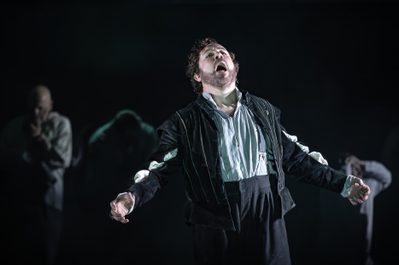
One of the most influential adaptations arrived in 1843 with Richard Wagner’s opera Der fliegende Holländer (The Flying Dutchman). Inspired by the legend and Wagner’s own perilous sea voyage from Riga (read more about it here), the composer transformed the ship from a terrifying omen into a tragic, cursed captain who seeks redemption through love. This romantic reinterpretation remains the most famous artistic version of the myth and continues to be performed by opera companies worldwide today.
The Flying Dutchman in film & television
One of the most recognisable modern depictions of the Flying Dutchmanappears in Disney’s Pirates of the Caribbean franchise. In Dead Man’s Chest (2006) and At World’s End (2007), the ship is captained by the unforgettable Davy Jones, the fearsome, tentacled pirate lord. The film version draws heavily on traditional legend, with its barnacle‑covered hull, ghostly green glow, and cursed, undead crew.
Disney’s adaptation significantly boosted the legend’s popularity for modern audiences. Davy Jones quickly became one of the franchise’s most iconic villains, and the Flying Dutchman remains one of fantasy cinema’s most memorable ghost ships.
Television has reimagined the Flying Dutchman in many ways. Younger audiences may recognise the character from SpongeBob SquarePants, where he appears as a dead-beat comedic ghost pirate haunting Bikini Bottom, complete with supernatural abilities and exaggerated humour.
The character has also appeared or been referenced in shows such as The Simpsons, Scooby Doo, and various paranormal and documentary series exploring maritime myths and ghost stories.
The Flying Dutchman in gaming
Video games have played a major role in keeping The Flying Dutchman alive in contemporary culture. Ghost ships inspired by the legend feature prominently in games such as Sea of Thieves and Assassin’s Creed IV: Black Flag, often emerging from storms or heavy fog, crewed by undead sailors.
As pirate and fantasy games remain hugely popular, the legend continues to reach new audiences through interactive storytelling.

Why the Flying Dutchman endures
The lasting appeal of The Flying Dutchman lies in its instantly powerful imagery: a ghost ship lost in storm clouds, cursed sailors trapped between life and death, and an immortal captain doomed to wander the seas forever. These themes of defiance, punishment, and redemption allow the legend to adapt effortlessly across time, tone, and genre.
Sample the mystery for yourself
The Flying Dutchman is sailing towards its final destination this Season, Milton Keynes. Don’t miss your chance to encounter one of the most iconic supernatural legends ever brought to the stage.