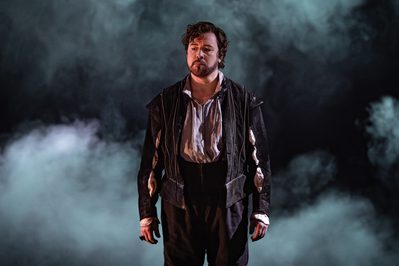
WNO’s brand‑new production of The Flying Dutchman is now on tour – and its thunderous, sea‑soaked score has already left audiences buzzing. But beneath the crashing waves and sweeping melodies lies one of Wagner’s most powerful storytelling tools: the leitmotif.
So, what is a leitmotif?
A leitmotif is a recurring musical idea associated with a particular character, object, emotion or theme. It might be just a handful of notes or an extended musical phrase, but whenever it returns, it sparks recognition – reminding us how to feel, who we’re hearing about, or what’s at stake.
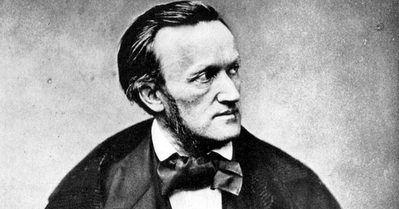
German composer Richard Wagner is credited with pioneering and developing the technique, using leitmotifs not just within individual operas, but across vast multi‑opera cycles. The result? Music that doesn’t just accompany the drama but drives it.
An Innovator of Opera
Wagner was a radical. He reimagined operatic storytelling by experimenting boldly with staging, hugely expanding the size of the orchestra, and pushing the relationship between voice and orchestra into new territory. These innovations fed into a body of work that remains groundbreaking – from The Flying Dutchman and Tristan und Isolde to the monumental, sixteen‑hour Der Ring des Nibelungen (The Ring Cycle), a four‑opera epic woven together by an intricate web of leitmotifs.
Leitmotifs at Sea: The Flying Dutchman
The Flying Dutchman is widely considered Wagner’s first major exploration of leitmotif – and its impact is unmistakable.
The sea itself becomes a character. At once freedom and prison, it empowers and condemns. Wagner captures this through fast‑moving strings that surge and churn, reflecting the ocean’s unpredictable nature.
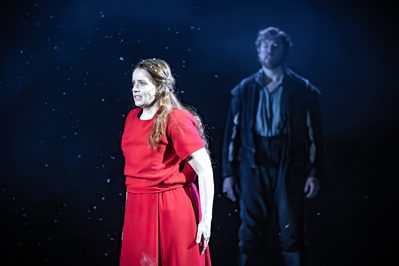
Wagner's melody of fast-moving strings show the water's unpredictable nature. The Dutchman has his own leitmotif, too, introduced immediately in the prelude. The theme features urgent strings and brass reflecting the sailor’s despair, contrasting Senta’s own softer, soulful theme.
Wagner’s other work
In Tristan und Isolde, leitmotifs are used to represent emotion. Arguably the most famous is the Desire leitmotif, which represents the unfulfilled longing between the couple and hints at the love story’s tragic ending. It contains the dissonant “Tristan chord" which reappears throughout the opera and has been borrowed by other composers to represent desire and yearning. The popularity of the Tristan chord emphasises that leitmotifs do not have to be long to be memorable. The Ring Cycle features the Ring leitmotif, which represents the cursed ring stolen by the King of the Gods from Alberich the dwarf. It is recognisable by its sinister chromatic melody reflecting the ring’s all-consuming power. The Dragon leitmotif is also prominent in ‘Siegfried,’ the second of the four operas. Wagner uses low-pitched brass instruments to display the size and power of the lumbering dragon. This links to the Ring motif, as the music represents the ring’s corrupting hold over the dragon who guards it.
From Wagner to the Big Screen
Wagner’s influence didn’t stop with opera. Leitmotifs are everywhere in modern storytelling. From Star Wars, Avengers and Indiana Jones to video games like The Legend of Zelda, Resident Evil and Pokémon Mystery Dungeon, recurring musical themes help shape character, heighten tension and make stories unforgettable.
Experience It Live
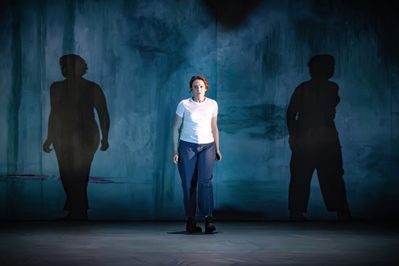
You can hear Wagner’s leitmotifs in all their power and beauty in WNO’s thrilling new production of The Flying Dutchman. Be sure to catch it in Birmingham and Milton Keynes before it finishes.